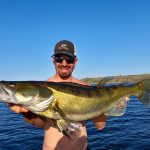
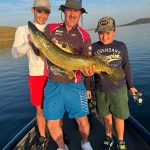
Fishing for zander
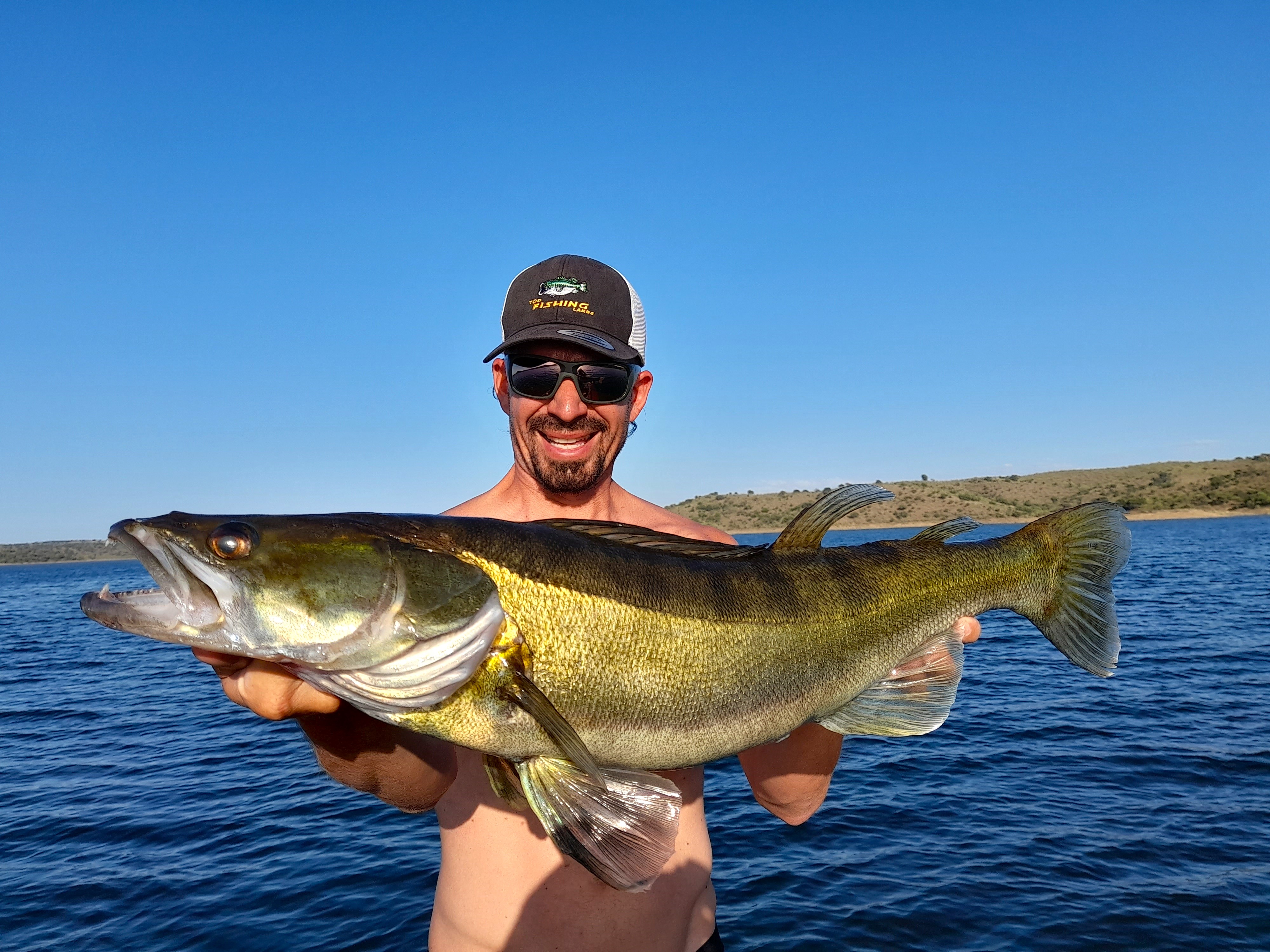
I would like to begin by clarifying the situation of this species to avoid controversy. The zander is an invasive species and, unlike the pike or black bass, which were introduced legally by our authorities, it has been introduced illegally into our waters. The impact it has had on our rivers and reservoirs is brutal, with many of them taking several years to recover. It is a fish with an incredible ability to adapt and, in many scenarios, it is currently by far the most abundant predator.
Reflections on its fishing
However, the damage has already been done, and now I will share my personal reflection. It is of little use to kill all the zander we catch… Of course, there is nothing wrong with taking some home to eat if we feel like it, as it is also a fish with great culinary value. It is of little use for the authorities to ban fishing for them and force us to kill them. This fish is not going to disappear, and eradicating it from large reservoirs is now a pipe dream. Of course, we must do everything we can to prevent it from colonising new bodies of water, and I believe that our efforts should focus on this.
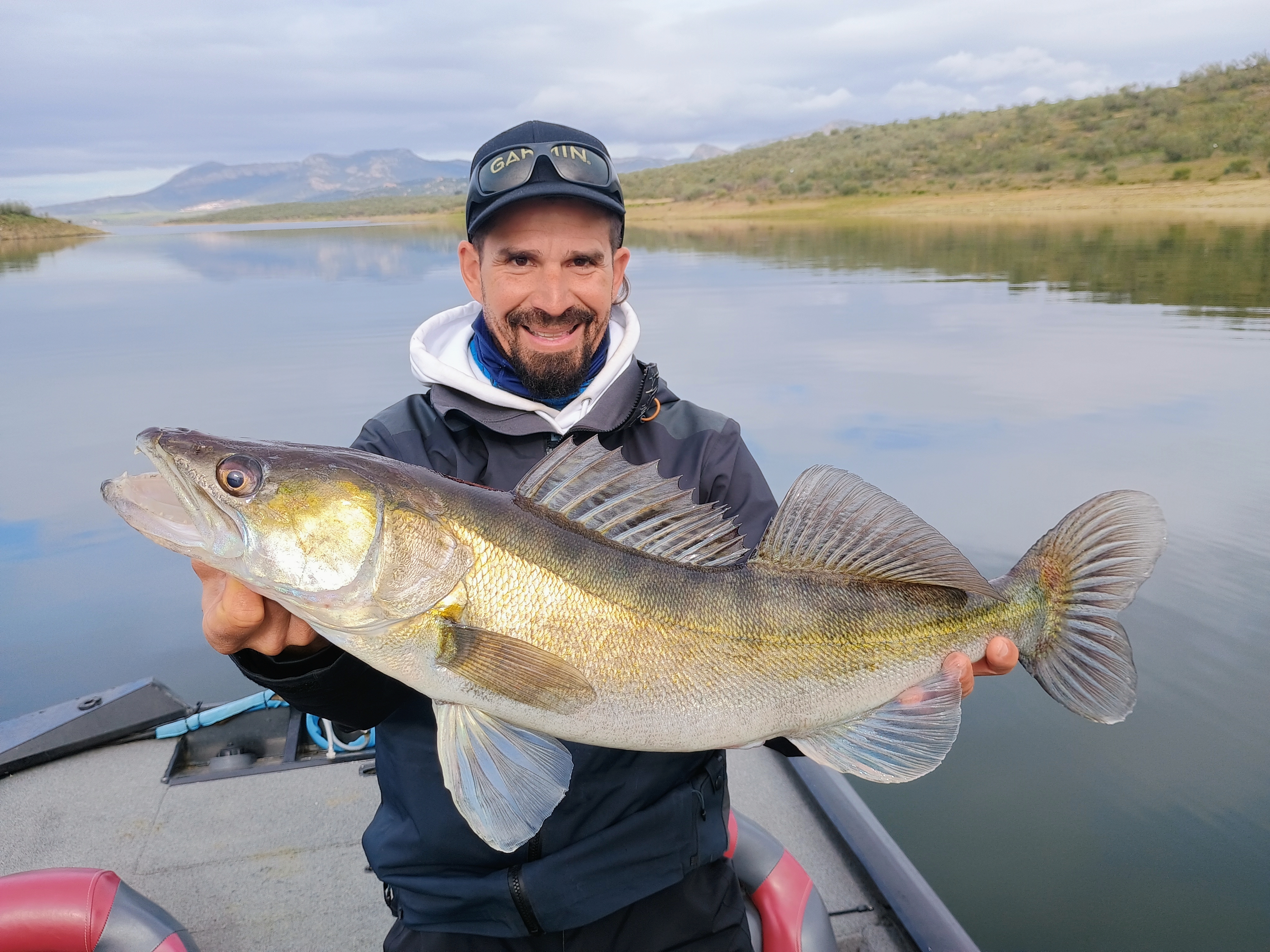
As far as fishing is concerned, zander is not a fish that has many fans in our country. The truth is that, compared to black bass, barbel or pike, it is a fish that fights much less, but it is a very technical and entertaining fish to catch, not without difficulty. In the first few years after arriving in a reservoir, it behaves with extreme aggression, even attacking the largest lures. But over time, its aggressiveness diminishes and it gradually acquires a more “normal” and wary behaviour.
The techniques
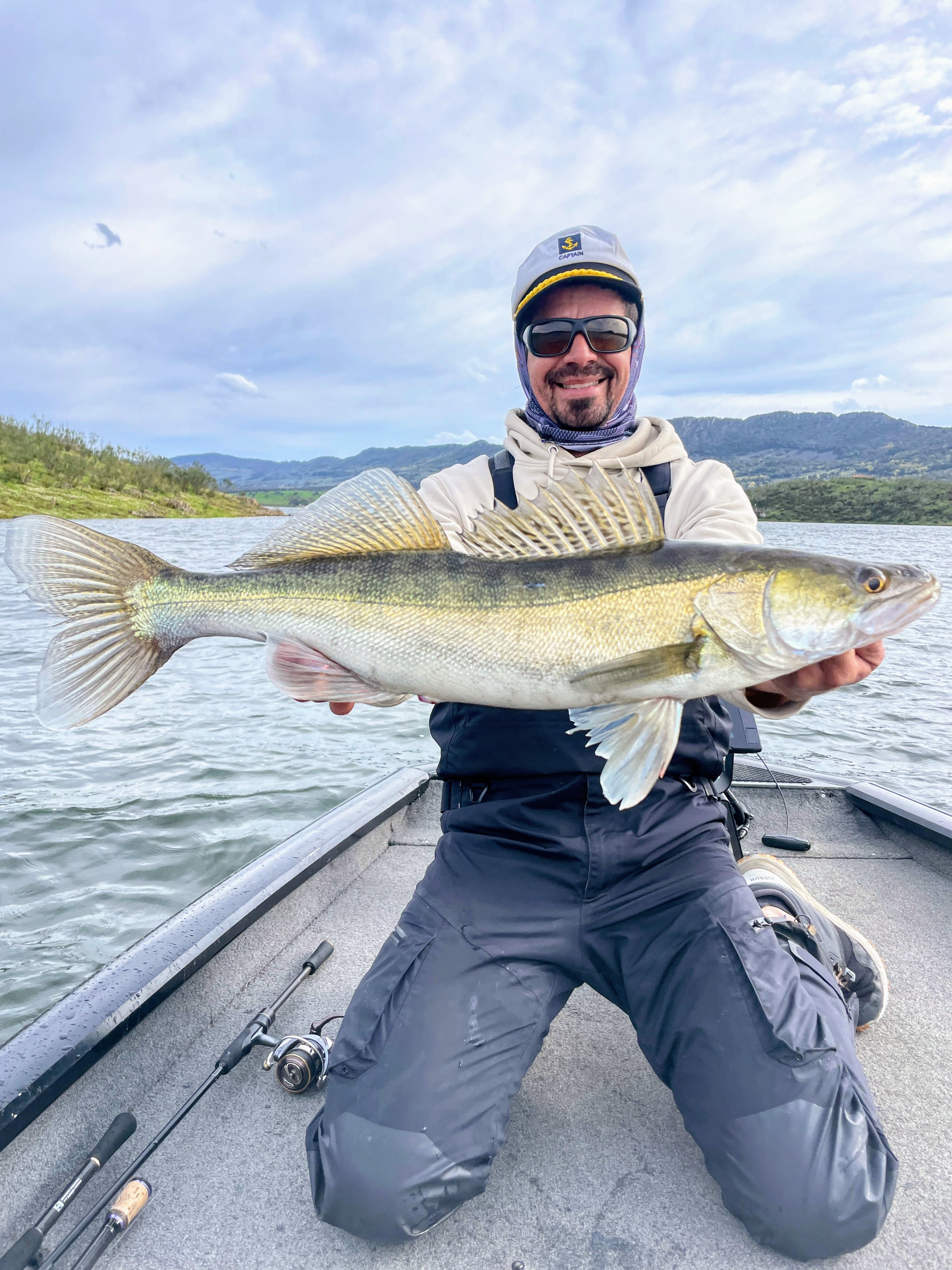
We can catch zander using multiple methods, practically the same ones we would use to fish for black bass or pike, except for topwater fishing. Although we can catch zander on the topwater (I myself have caught more than a dozen this way), these catches will be purely accidental and very rare.
The great difficulty in fishing for them lies in the bite. Often, they will bite very quickly, and if we are not paying attention, we will lose the fish. On the other hand, and especially in the second phase of colonisation, zander will begin to behave in a much more wary manner with regard to lures. They will force us to fish more delicately, reducing the diameter of our lines, the weight of our rigs and the size of our lures. Of course, we will also have to cast further and further if we want to maximise our chances.
I have been fishing for zander for over 15 years, because when I lived in Salamanca, along with pike, it was the only species that offered options in the winter months. I don’t consider myself an expert, but I think I have caught enough to give you some basic tips that I hope will be useful.
Fishing for zander with paddle tail
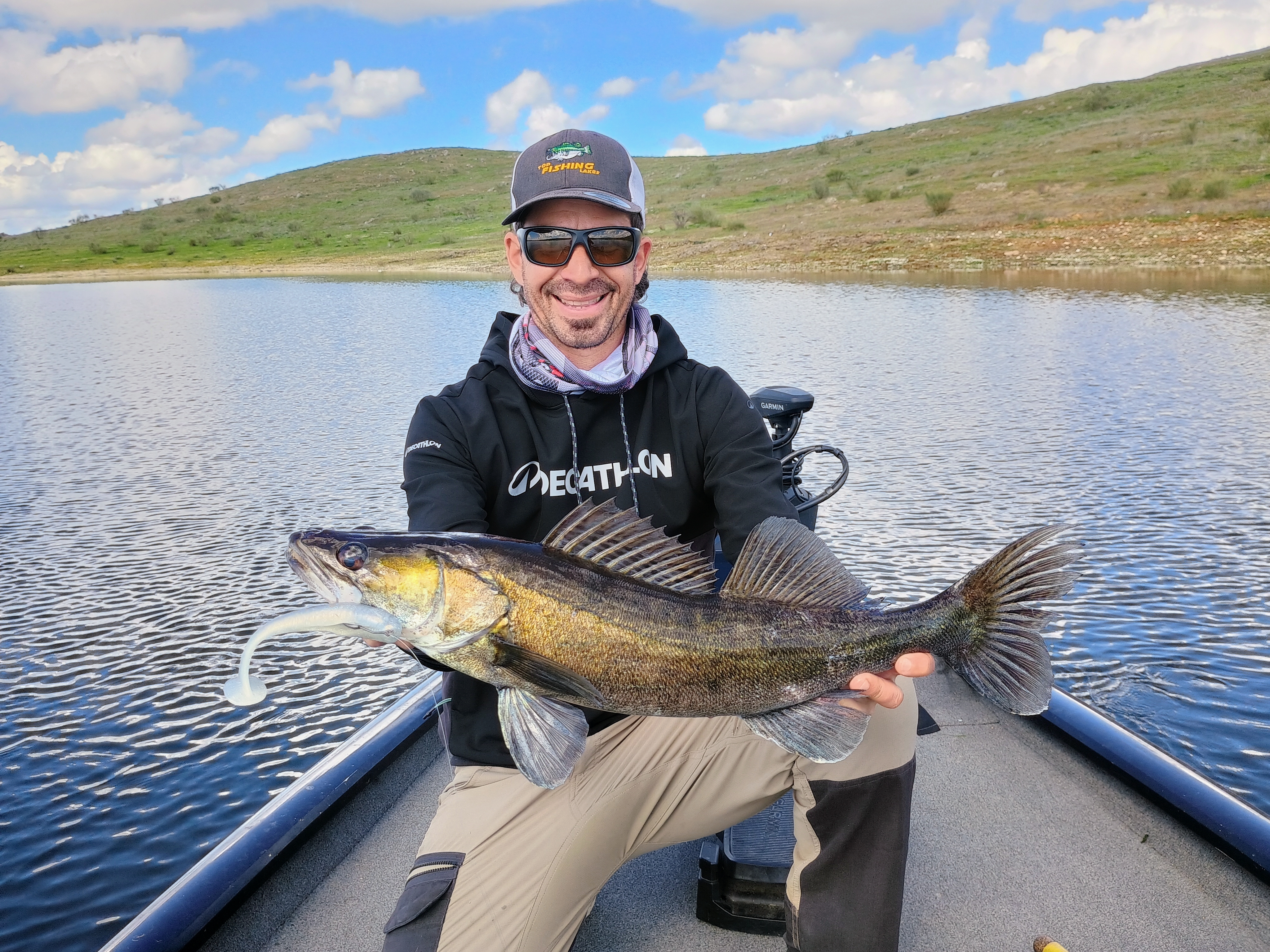
If there is one lure par excellence for fishing zander, it is the paddle tail or soft swimbait. This lure allows us to fish for them in all layers of water, and we simply have to play around with the weights and sizes depending on the occasion. Generally, the best rig will be a normal, standard jig head, without hiding the hook, to increase our effectiveness in those lightning-fast bites.
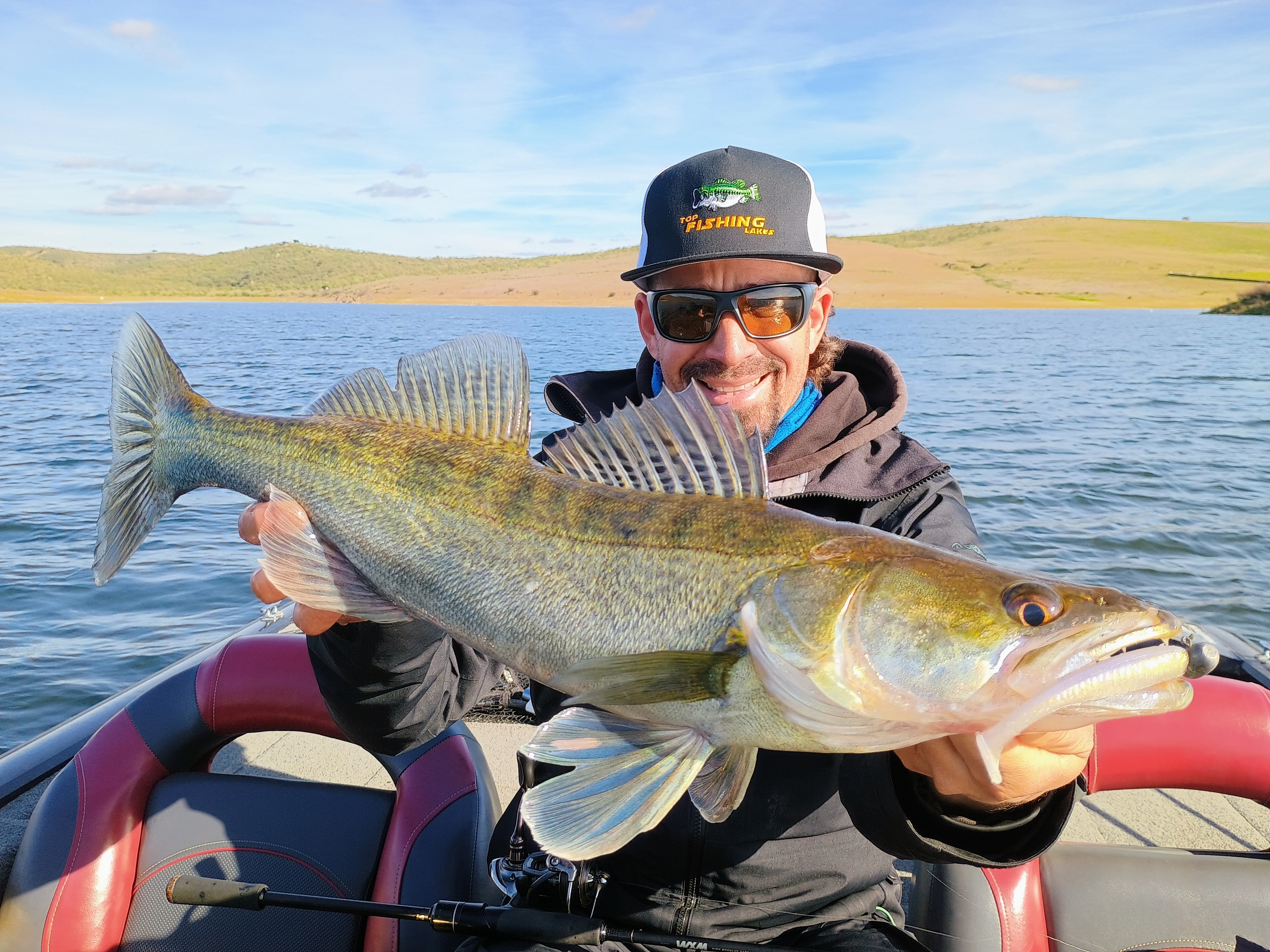
If we fish in areas with a lot of snags, rigs such as ‘black minnow’, cheburaska or similar will allow us to get hooked less, but we will reduce our catch ratio in relation to bites. As for weights, the range is enormous. Generally, between 5 and 15 grams will cover most situations, but there may be times when we have to go down to 3 grams or up to 20, 25 or even more. Generally, a 3‘ or 4’ paddle tail and a 7 or 10 gram head will be the most versatile. If they are deeper or it is very windy, we will increase the weight, and if the day is calm (no wind), or they are more reluctant, we will have to go down to 5 or even 3.
Fishing with paddle tails weightless
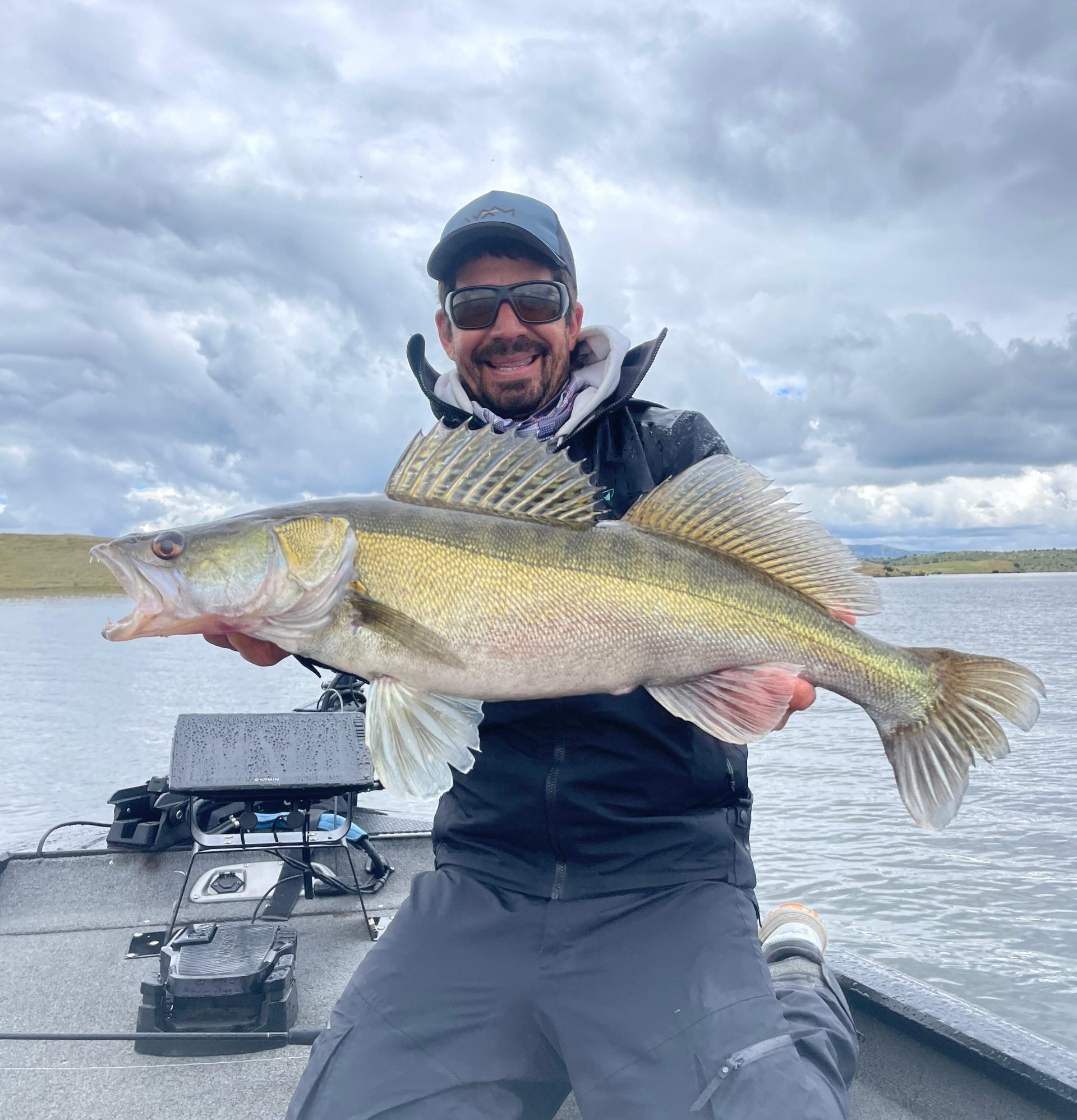
We can also use lead-free ‘sawamura’ type paddle tail to fish for them in the shallower layers. These jigs are very effective because we can work them very slowly and sometimes they can go up from several metres deep to attack them. Colours such as bleak or those that imitate the predominant bait fish will always work, but we should not rule out bright colours, as there are days when they prefer them. Zander are generally more active on cloudy days, and on those days we can play around with colours much more than on sunny days with calm water.
Trying other vinyls
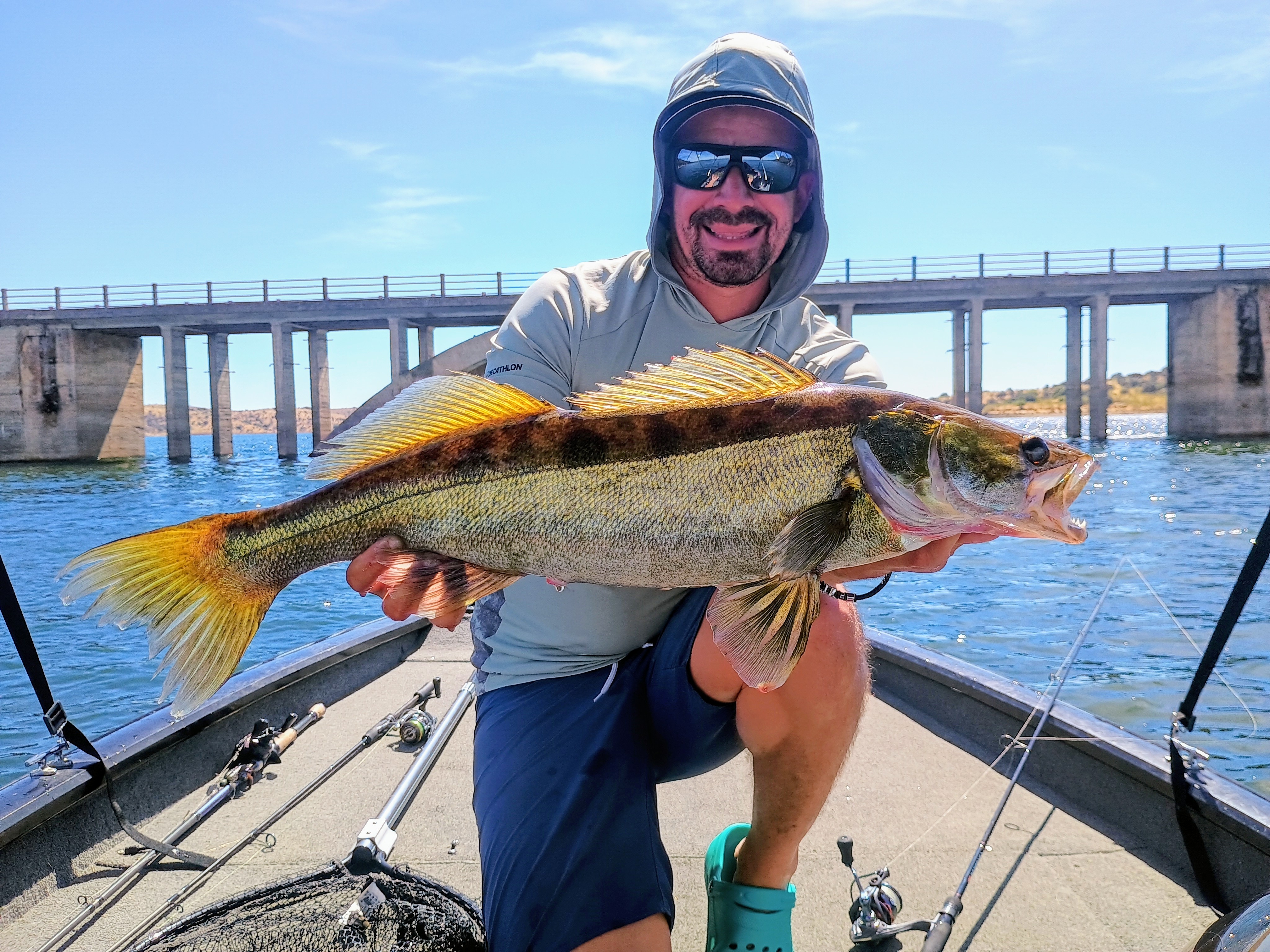
Vinyl jerks are another really interesting option. A ‘super fluke’ type vinyl for fishing from the shore, whether among rocks, weed, or simply because they are attacking schools of bait fish, will always be very effective. Of course, if we have a live sonar, small vinyl jerks with jig heads will give us great results using the famous ‘damiki rig’.
On the other hand, we can also catch them using any technique we would use for black bass: vinyl worms with different rigs, vinyl craws, creatures… A very effective technique when they are difficult to catch is weightless vinyl tubes. It is very slow fishing, but sometimes they reject even the slightest weight in the rig, even 3 or 5 gram weights, and here the weightless vinyl tube can help us catch some. Of course, just like black bass or pike, man-made structures are a magnet for them, so if we have located one, let’s not hesitate to attack it.
Hard lures, fishing for zander
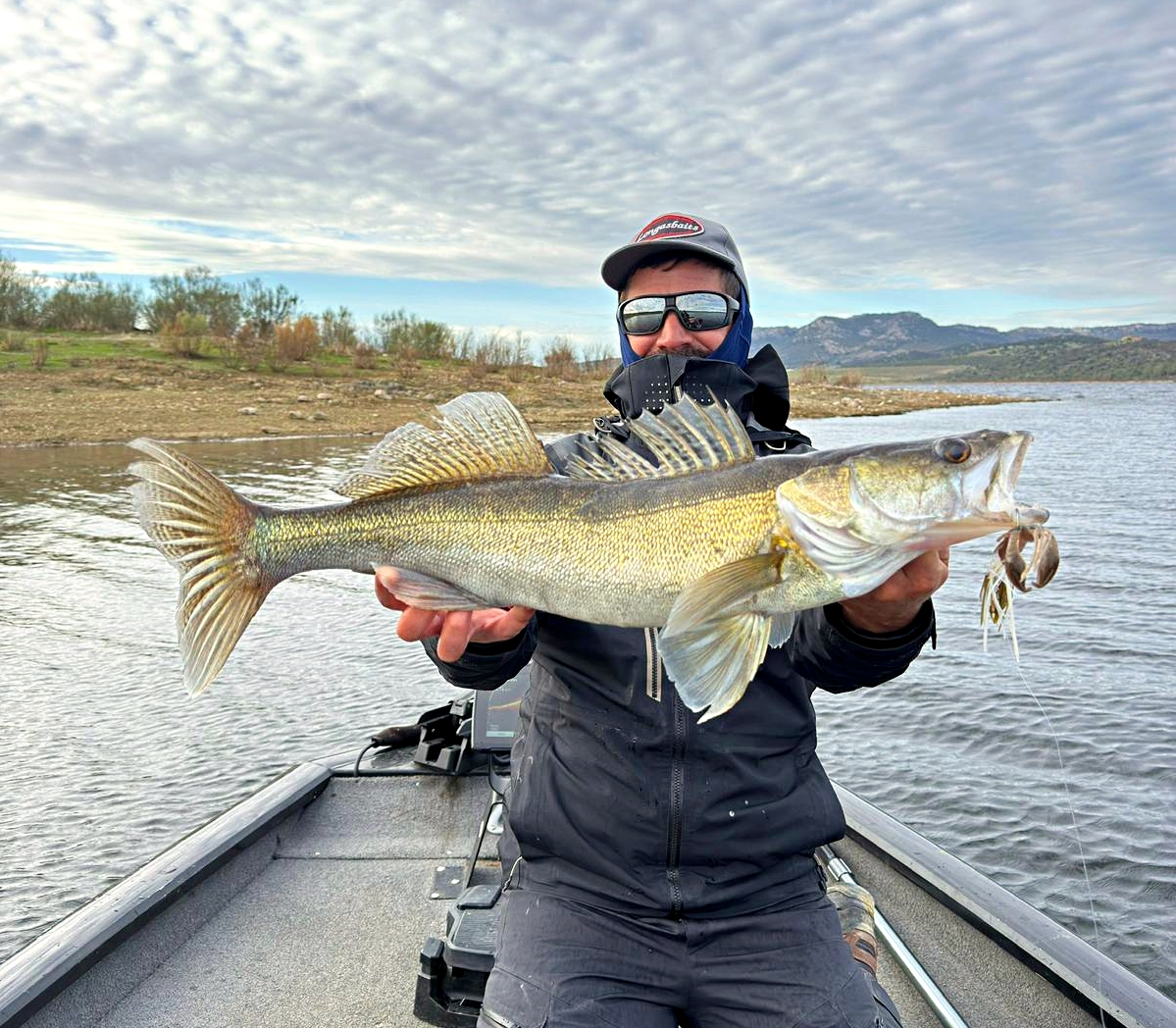
As in the previous case, we can catch zander using practically the same hard lures that we would use for black bass or even pike. If the wind is blowing strongly on one bank, making the water murky, we can use practically any lure, but when we are faced with flat water (no wind) conditions, things get complicated.

In my experience, hard jerkbaits and chatterbaits are the lures that have given me the biggest catches. Especially in the pre-spawn season, but also in autumn, these are selective lures that won’t give us numerous catches but can give us good-sized fish, provided that the zander are close to shore and active. Spinnerbaits can also be an interesting option, especially on windy days.
Crankbaits and lipless lures also work very well and are the best option if you are prioritising numbers. Bleak- or crawfish-coloured lures are always effective, but this fish also sometimes bites very well with bright colours: chartreuse, orange, pink, fire tiger, etc.
Searching for deep zander
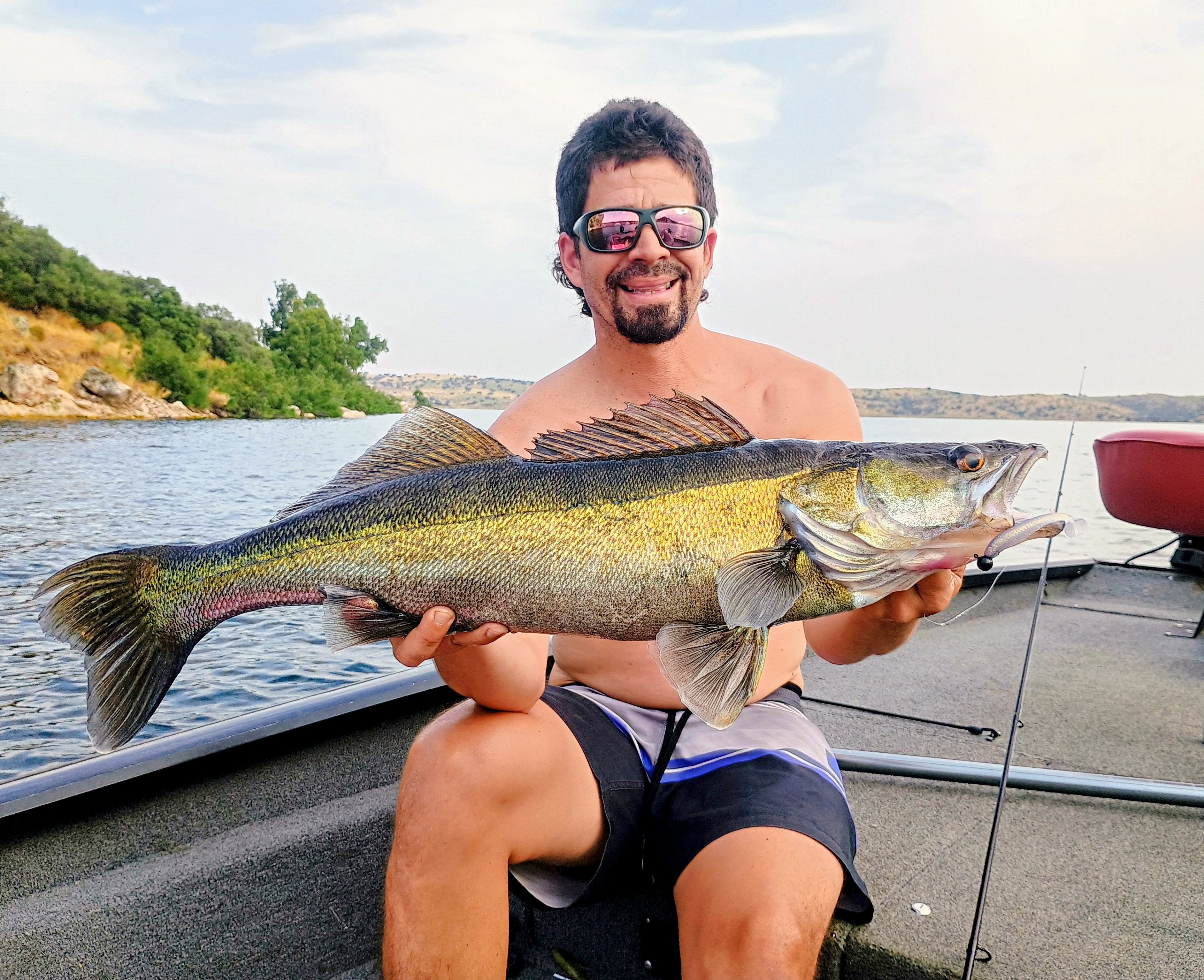
As spring progresses and the waters warm up, when it comes to fishing in lakes, most zander seek deeper, cooler and more oxygenated waters. We can catch them near the shore in the early and late hours of the day, but for most of the day they will be more comfortable deeper down. As much as we may not like deep fishing, there will be times of the year when it will be practically our only option.
The zander is a fish that can be found at depths of 12, 14, 16… even 20 metres or more with some regularity. Personally, I don’t like fishing for fish that are too deep, as I think it causes them unnecessary suffering. The risk of them dying increases with depth, and there is always a way to catch fish in less critical layers.
Therefore, what I do is either look for schools of baitfish that are not too deep and try to catch the zander that are suspended near these schools, or scratch the bottom in spots that are not too deep. At these spots, there will always be fish either hunting or resting, and we can decide how deep to fish for them. For me, fishing below 12 metres is too risky, so I usually set that as my limit.
EQUIPMENT FOR FISHING ZANDER
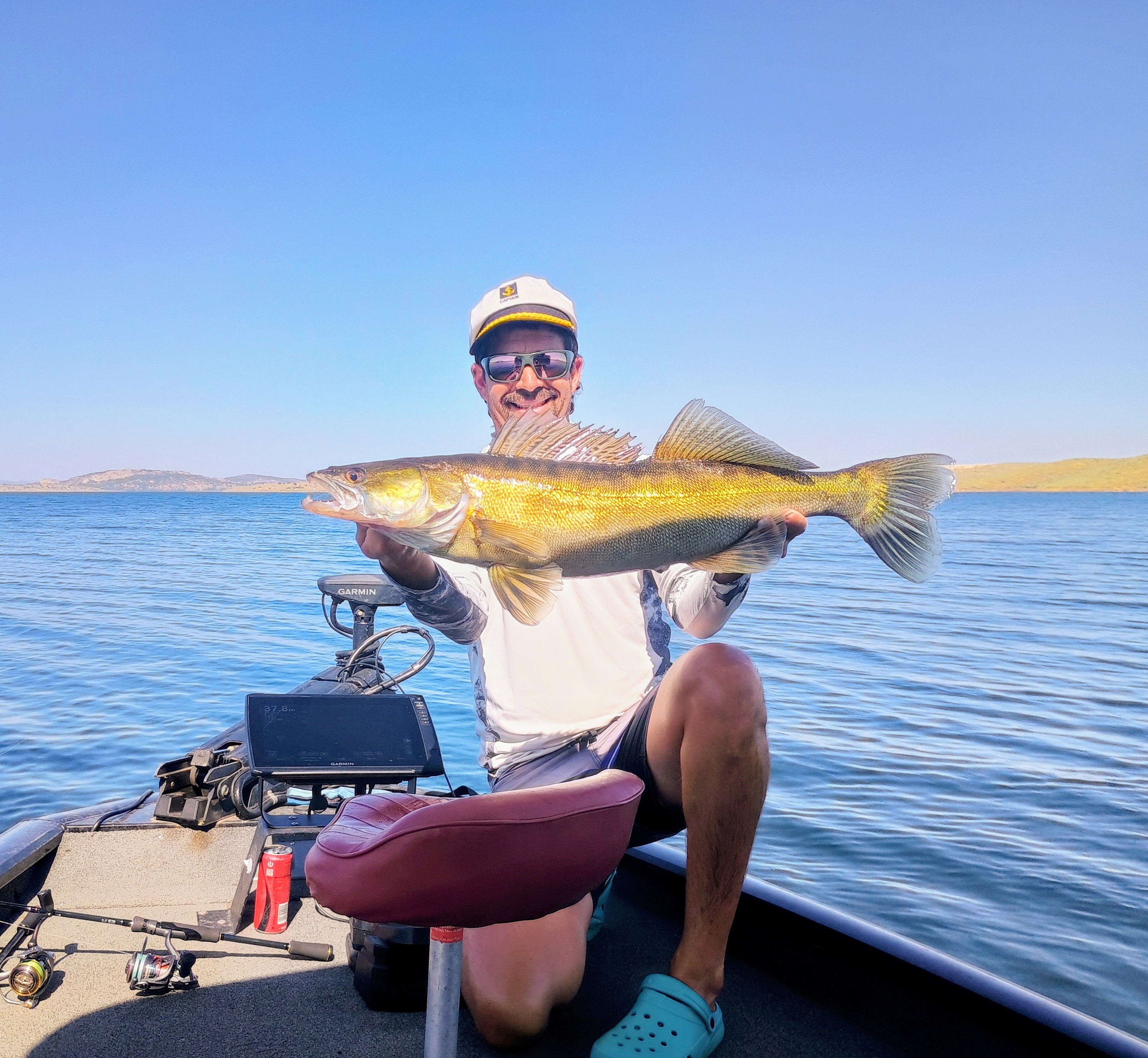
Zander are not particularly strong fish, so we generally don’t need very powerful tackle. However, if we fish for them with thick, deep hooks, we will need to use H or even XH tackle to ensure a secure hookset. Large specimens in particular have very tough mouths, and we will need to set the hook hard to prevent them from escaping during the fight. However, in most cases, an M rod will be more than enough to ensure a secure hook with a 7 or 10 gram jig head. In addition, we will almost always use braided line, which will help us a lot to achieve this.
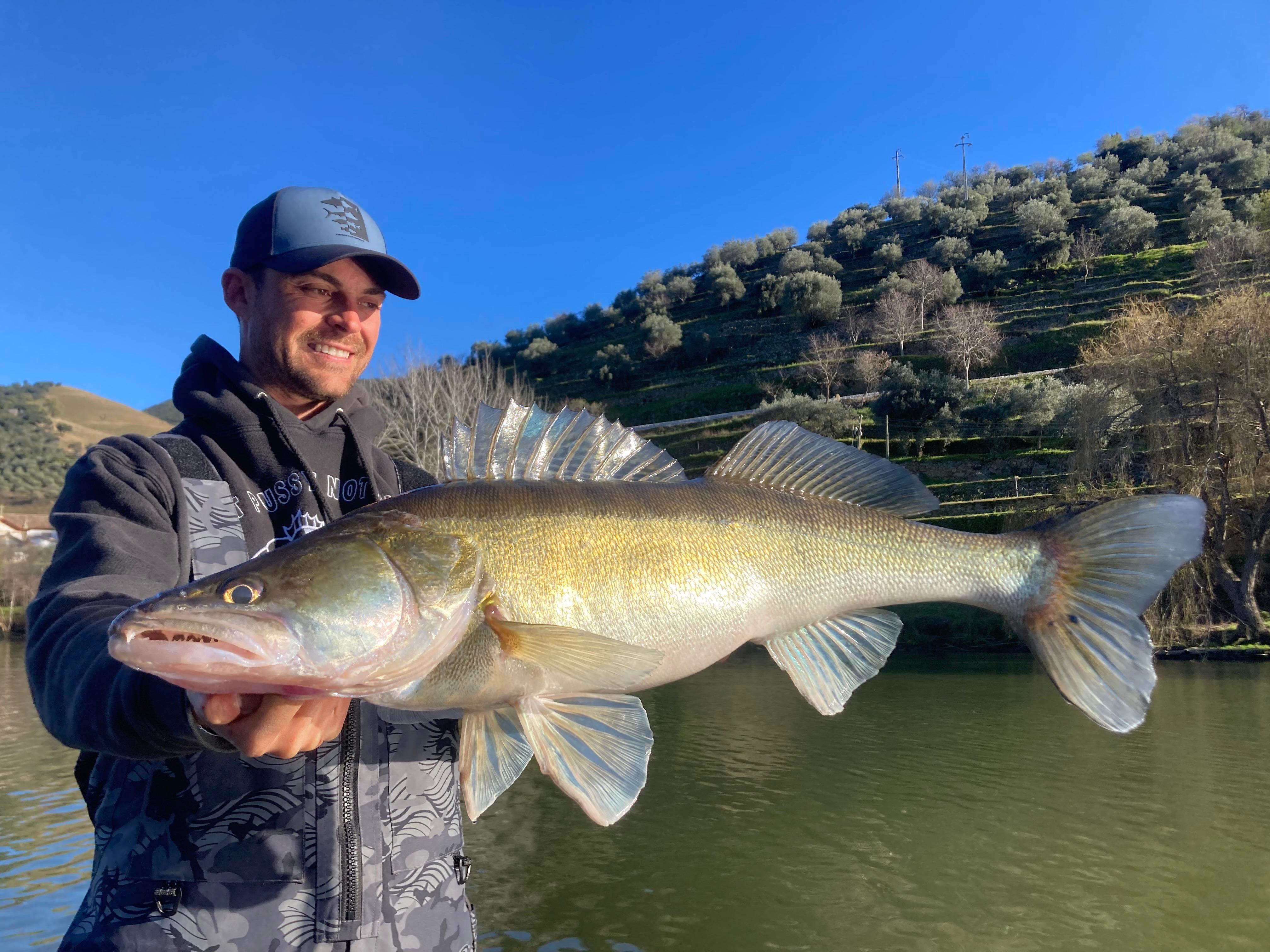
That said, if the zander are difficult and we have to fine-tune our technique, we will have to use mainly spinning rods, very fine braided lines and very sensitive rods. I usually take an M and an ML spinning rods, which covers almost all situations. Taking an H casting rod with a large paddle tail will also be interesting, but it will not usually give us many catches. The bites are usually very fast, and we will have to be alert if we do not want to be constantly ‘setting the hook into thin air’. Always remain alert, that is my best advice.
I hope you find these little tips useful and that they encourage you to try fishing for zander. When other species are very difficult to catch, it is an excellent option and great fun… And of course if you need to hire a guide, here you have my services.